When most people think of ancient Egypt, they picture pyramids stabbing the sky and golden masks glinting in museum cases. Yet the world of the pyramid builders was far more complex than monumental stone and buried treasure. Over the last 150 years, archaeologists have learned to look away from royal tombs and toward workers’ villages, laundry lists, and half-finished graffiti. In doing so, they have reconstructed a strikingly detailed portrait of daily life in the Old Kingdom (c. 2686–2181 BCE).
Introduction: Beyond Pyramids and Pharaohs
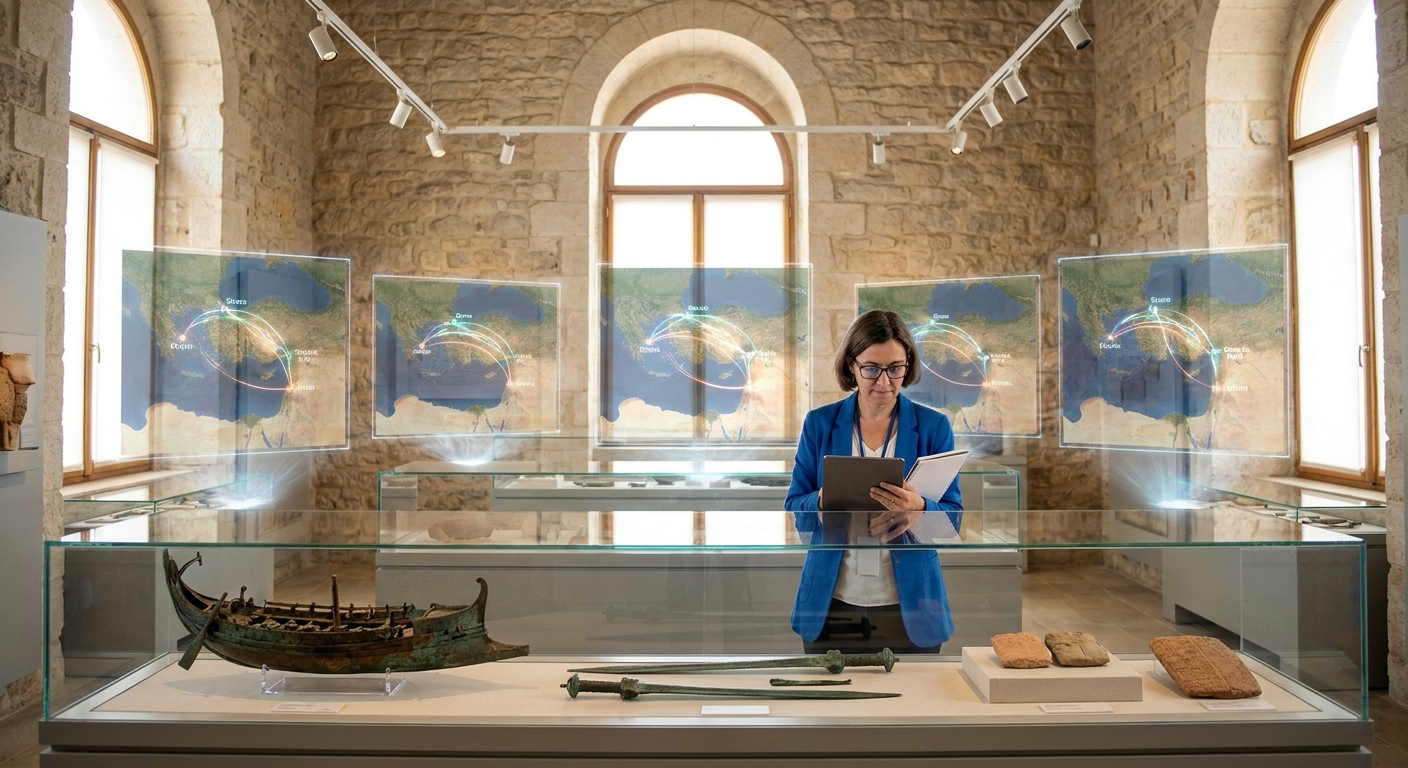
This article traces how a patchwork of inscriptions, papyri, and archaeological remains—combined with careful modern methods—has allowed historians to animate a civilization that has been dead for over 4,000 years.
Building a Past from Broken Stones
The Early Treasure Hunters
In the 19th century, many Europeans approached Egypt as a quarry of marvels. Giovanni Belzoni dynamited his way into tombs; artifacts moved from temple walls to drawing rooms with little documentation. What we lost in the process is impossible to calculate.
Yet even in that era, some scholars tried to record context. Karl Richard Lepsius’s Prussian expedition (1842–1845) systematically copied tomb inscriptions at Saqqara and Giza. His Denkmäler aus Aegypten und Aethiopien (“Monuments from Egypt and Ethiopia”) remains a foundational reference, preserving scenes and texts that have since eroded or been damaged.
From Monuments to Microhistories
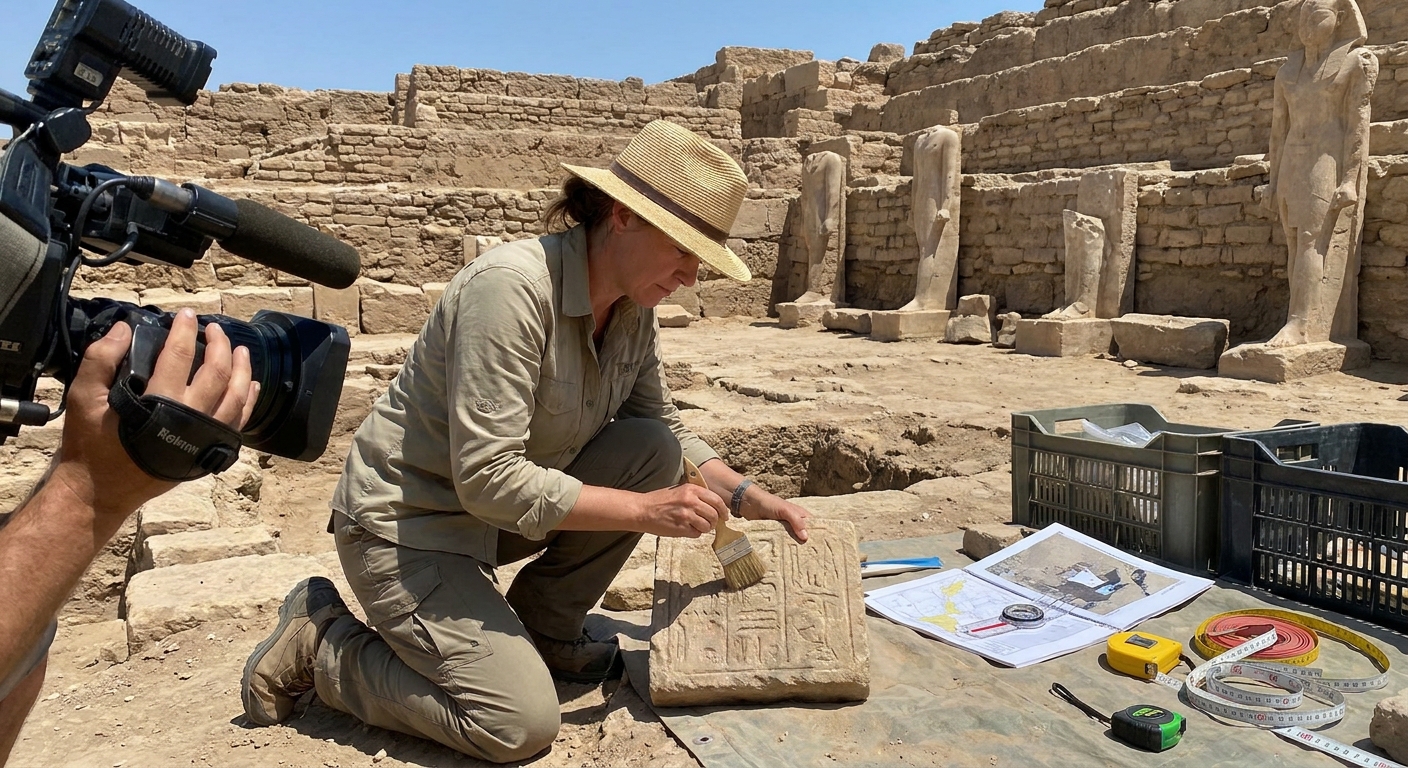
The early 20th century saw a methodological revolution. Flinders Petrie insisted that “pots are more telling than pages.” By carefully excavating and dating ceramic fragments, he could sequence settlements and tombs over centuries. His Methods and Aims in Archaeology (1904) helped establish stratigraphic excavation as a standard.
As Egyptology matured, attention shifted from colossal royal projects to workers’ villages, provincial towns, and administrative papyri. The story of the Old Kingdom changed from a saga of kings to a tapestry of farmers, scribes, overseers, and craftsmen.
Voices from the Tomb: Primary Sources of the Old Kingdom
Tomb Autobiographies: Self-Fashioned Lives
Elite non-royal tombs at Saqqara, Giza, and Meir often include so‑called “autobiographical inscriptions.” These texts are not neutral biographies; they are self-promotional monuments. Yet they still preserve precious detail.
In the mastaba of Harkhuf, an official under Pepi II, he boasts of his expeditions to Nubia:
“I went forth upstream to Yam… I brought back all kinds of fine products… Never before was the like brought to this land.”
(Urkunden des Alten Reiches, Harkhuf inscription)
The child king Pepi II, perhaps no older than ten at the time, writes in response:
“Come north quickly to the court. Bring this dwarf with you… My majesty desires to see this dwarf more than the gifts of Sinai and Punt.”
(Urkunden des Alten Reiches, Letter of Pepi II to Harkhuf)
Here, across four millennia, we overhear a boy-king’s excitement about a court dwarf—an intimate glimpse that dissolves the distance between “pharaoh” and “person.”
Administrative Papyri and Seal Impressions
Fewer papyri survive from the Old Kingdom than from later periods, but the ones we have are revealing. The Abusir papyri, discovered near a group of 5th Dynasty pyramids, preserve timber inventories, bread and beer rations, and temple staff lists.
One docket records daily grain rations for priests and workers: names, measures, and signatures of scribes. To the original administrators, these were bureaucratic minutiae; to modern historians, they are evidence of labor organization, temple economics, and diet.
Clay seal impressions, often found in clusters in administrative buildings, reveal the titles and movement of goods. Impressions bearing the Horus name of a king and a specific office—such as “Overseer of the Granaries”—let archaeologists date layers and tie anonymous buildings to known institutions.
The Archaeology of Everyday Life
Workers’ Villages: The People Behind the Pyramids
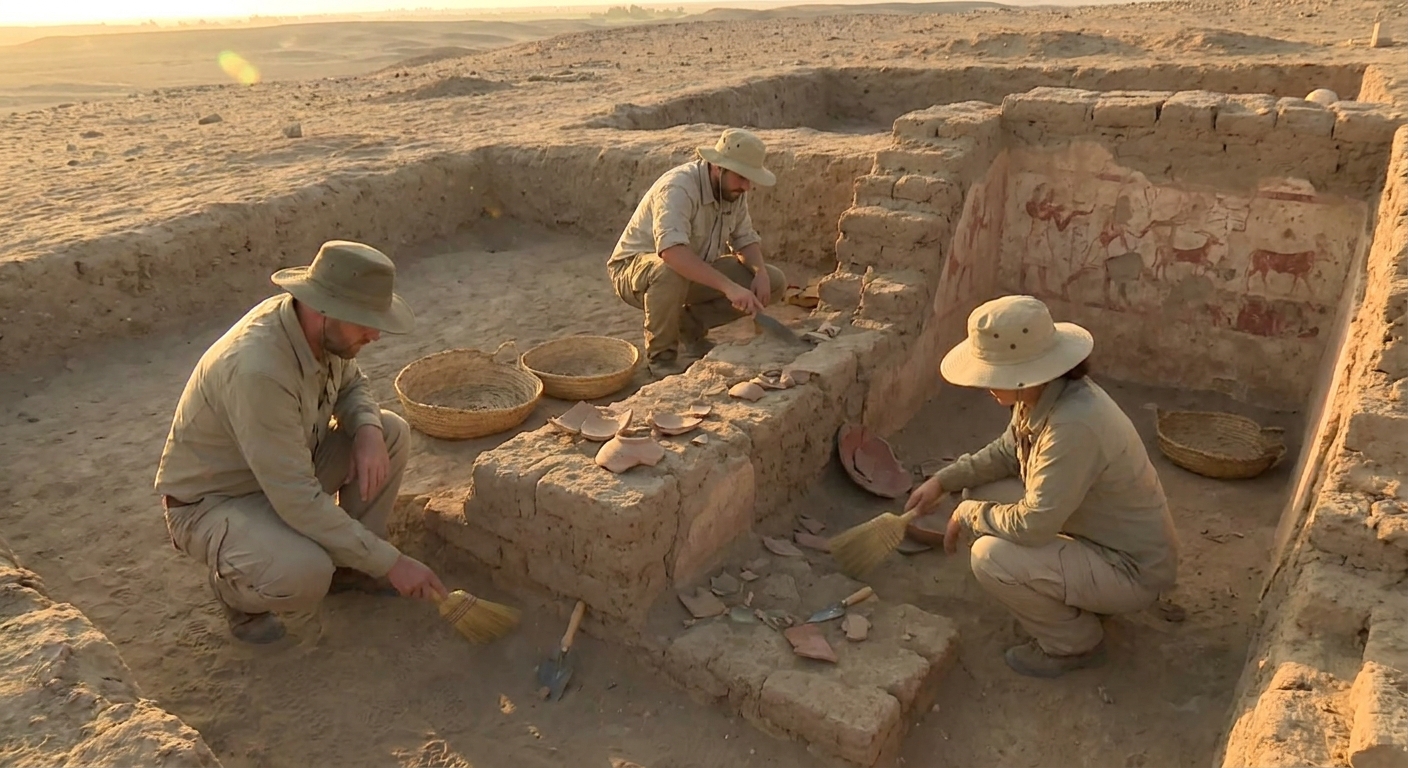
The discovery and excavation of the workers’ settlement at Heit el‑Ghurab, near the Giza pyramids, transformed our understanding of how pyramids were built. Directed by Mark Lehner and the Ancient Egypt Research Associates, the site reveals:
- Long barracks-like galleries that likely housed rotating crews of laborers
- A large bakery and brewery complex capable of feeding thousands
- Cattle, sheep, and fish bones indicating substantial, meat-heavy rations
Osteological analysis of skeletons from associated cemeteries shows healed fractures and medical care, suggesting a supported workforce rather than an expendable mass of slaves. Evidence points to a corvée labor system: farmers conscripted for part of the year, compensated with food and status.
Houses, Diet, and Domestic Ritual
In non-elite cemeteries and settlements, mudbrick houses cluster irregularly, their walls still showing smoke stains from hearths. Grinding stones lie worn from years of use; hand-made pottery bears fingerprints of long-dead potters.
Residues on ceramic vessels show traces of barley beer and emmer wheat porridge. Carbonized remains of onions, dates, and figs fill storage jars. Bread molds from Giza and Saqqara, found in their hundreds, attest to the centrality of bread in an Old Kingdom diet.
Miniature offering tables and small clay figurines in houses blur the line between sacred and domestic space. The gods were never far from the grindstone.
Reconstructing People: Faces, Bodies, and Biographies
Skeletal Evidence: Health and Hardship
Bioarchaeology has added a crucial layer to the written record. Analysis of skeletons from Old Kingdom cemeteries reveals:
- Enamel hypoplasia (lines on teeth) indicative of childhood malnutrition or illness
- Degenerative joint disease in knees and spines from heavy labor
- Healed fractures in forearms and ribs, evidence of both injury and survival
Yet these same remains show surprisingly low rates of infectious disease compared to more crowded later periods. Life was harsh, but not uniformly miserable.
Faces in Stone and Paint
Tomb statues and reliefs offer an aestheticized, ideal version of Old Kingdom faces and bodies. The seated scribe of Saqqara (now in the Louvre) stares back at us with inlaid rock crystal eyes that still glitter. His soft belly and attentive posture capture a life of mental labor in a culture that prized literacy.
The painter’s hand conveys subtle details: callused feet, wrinkles on an elder’s face, the intimate gesture of a wife touching her husband’s shoulder. While these images obey strict artistic conventions, they also preserve a recognizable humanity.
Connecting the Old Kingdom to the Modern World
Bureaucracy, Branding, and Big Projects
The Old Kingdom pioneered forms of administration that feel familiar. Seal impressions functioned like official stamps or corporate logos, guaranteeing the origin of goods. Temple accounting papyri list debits and credits. Titles such as “Overseer of the Double Granary” define career tracks recognizable to anyone in a modern bureaucracy.
The pyramid complexes themselves can be compared to modern mega-projects: vast, resource-intensive works that served both practical and ideological purposes. Like skyscrapers or space programs, they broadcasted state capacity as much as they fulfilled religious functions.
The Politics of Memory
Ancient Egyptians curated their own past. Later kings restored Old Kingdom monuments, usurped earlier statues, or recarved names. This selective remembering and forgetting mirrors contemporary debates about monuments, heritage, and identity.
The way the Old Kingdom is presented in modern media—often as a mysterious, monolithic "pyramid civilization"—is itself a form of myth-making. By returning to primary sources and archaeological context, we resist oversimplified narratives and recover a more nuanced, human past.
How We Know What We Know—and What We Still Don’t
History is not just what happened; it is what can be reconstructed from what remains. In the Old Kingdom, survival is skewed toward elites and stone monuments. The voices of most farmers, women, and enslaved people are missing or only faintly echoed in administrative scribbles.
Archaeologists counter this by combining:
- Textual analysis of tomb inscriptions and papyri
- Stratigraphic excavation and radiocarbon dating
- Bioarchaeological study of human and animal remains
- Micro-remains analysis (pollen, residues, phytoliths)
Each method adds another dimension, but uncertainties remain. We know how pyramids could have been built, not how any single stone was actually lifted. We infer social structures from titles and houses but rarely see explicit reflections on class.
Conclusion: Listening Closely to a Distant World
Old Kingdom Egypt endures not only in the silhouettes of pyramids at sunset but in the scratched accounts of scribes, the worn grooves of door thresholds, and the healed bones of workers. By treating every potsherd and inscription as a fragment of biography, archaeologists have turned a civilization of stone giants into a chorus of individual, if uneven, voices.
To engage with this past is to practice a disciplined imagination—anchored in evidence, but willing to fill gaps responsibly. The reward is a double vision: we see the Old Kingdom more clearly, and we see our own world—its bureaucracies, monuments, inequalities, and aspirations—with a little more perspective.