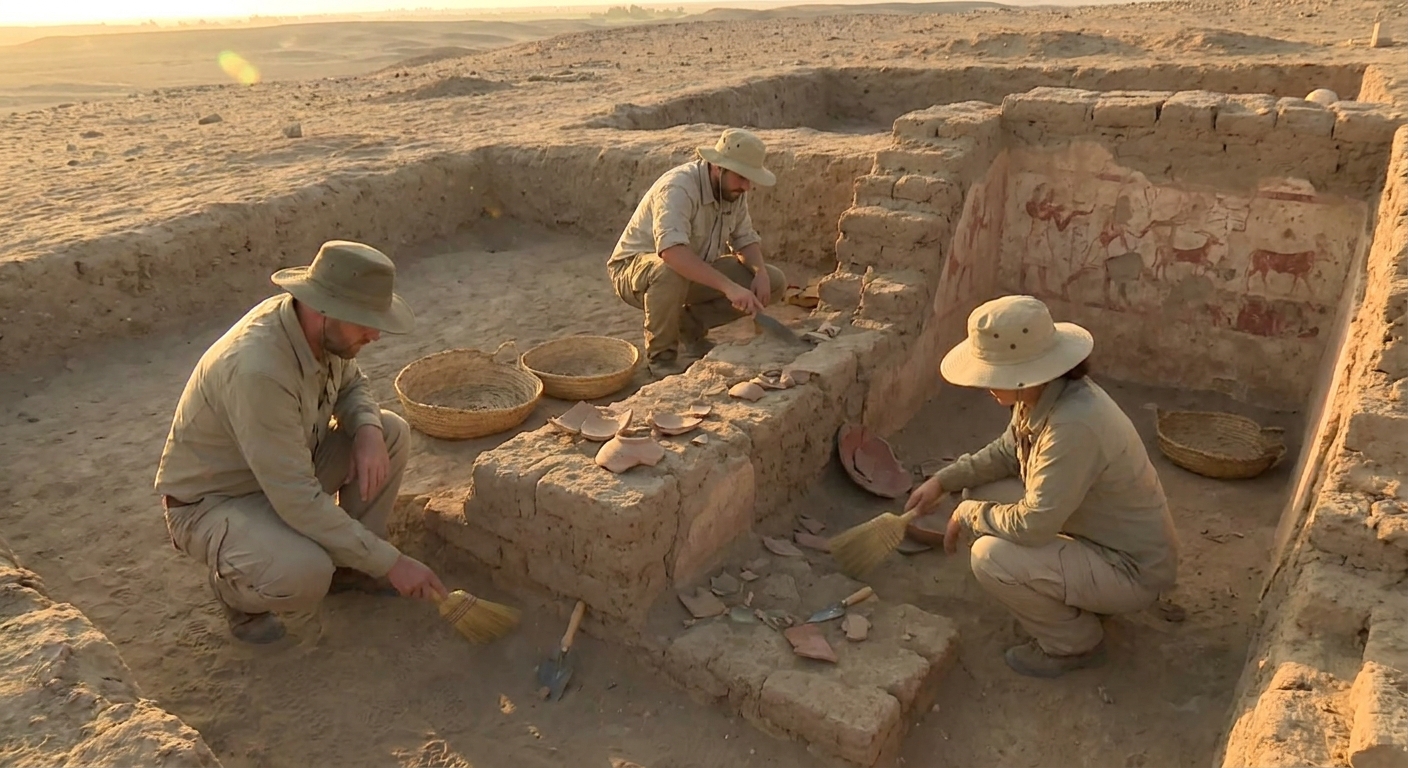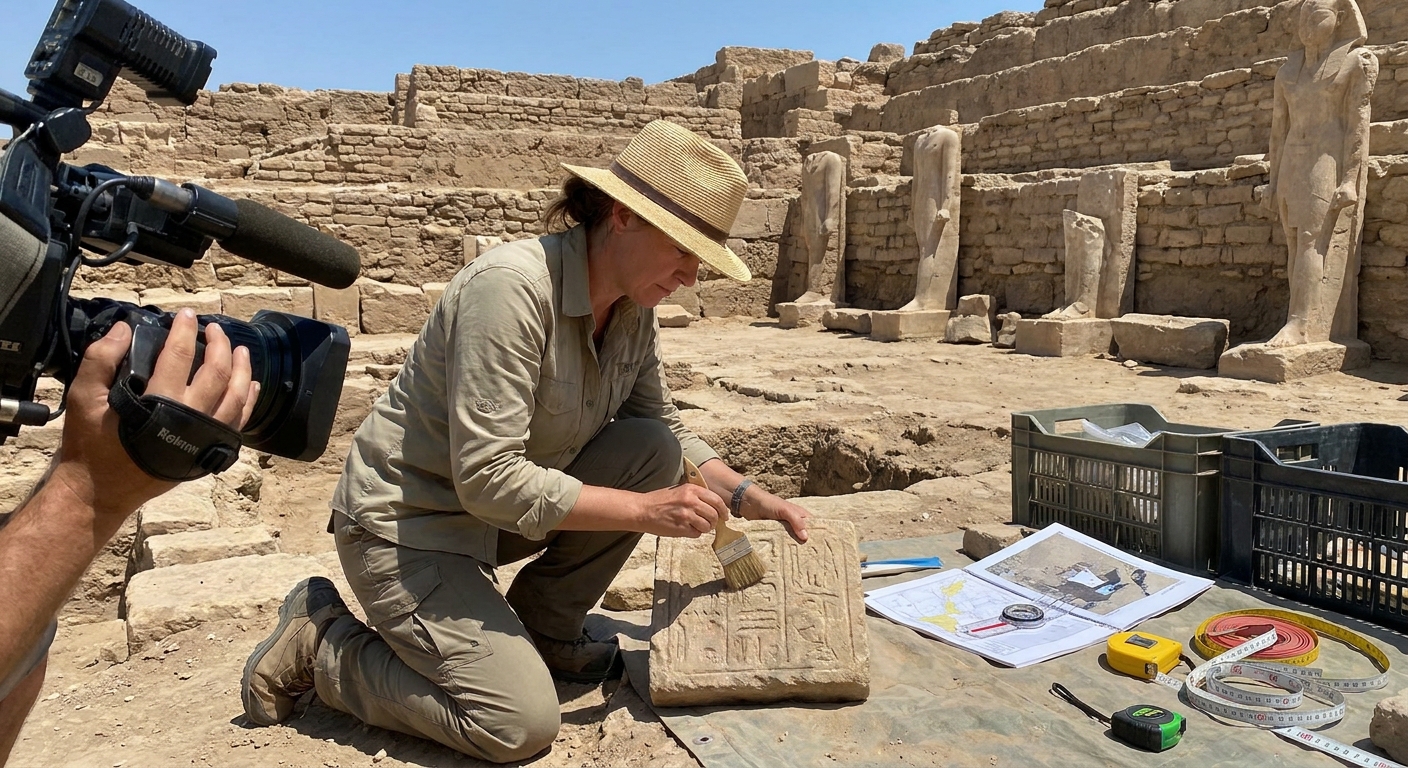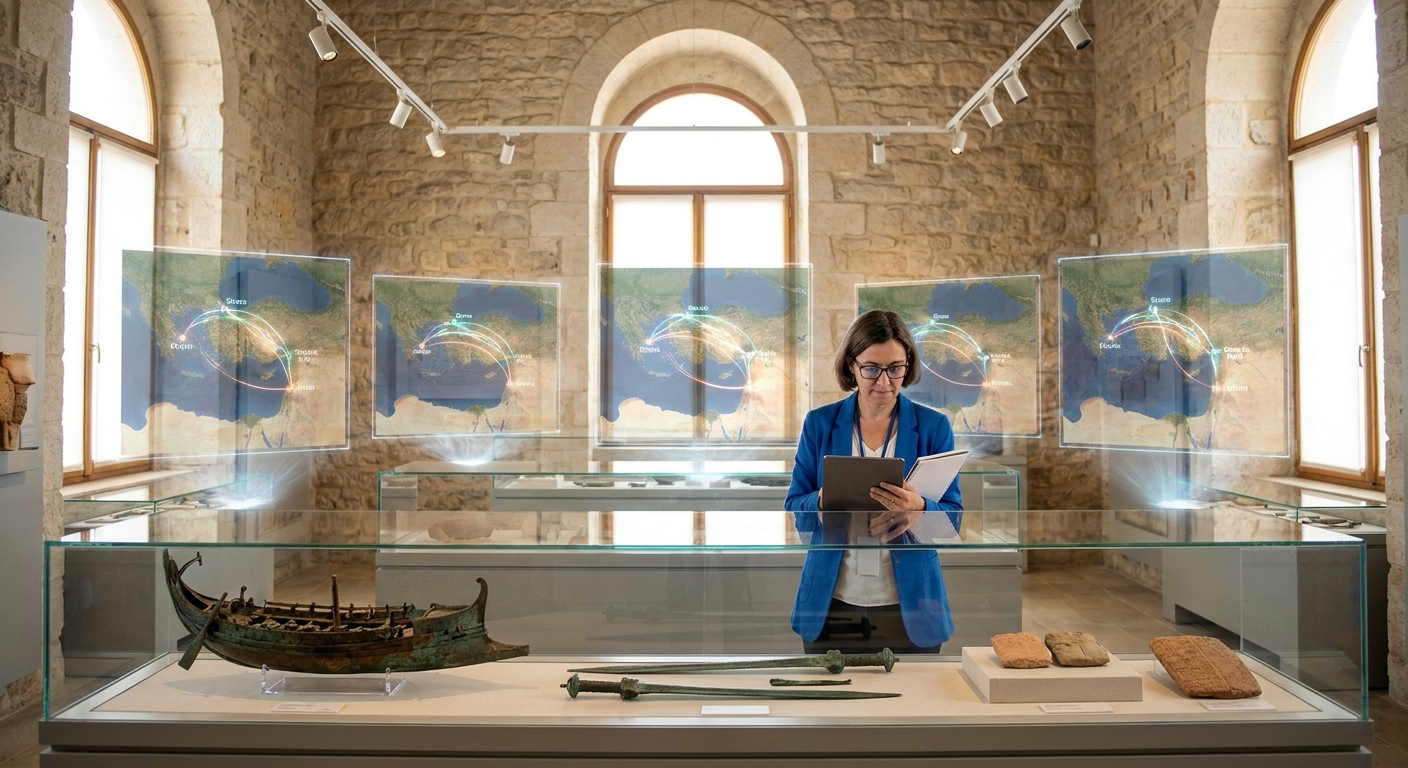
When we picture the ancient world, two names dominate: Egypt and Mesopotamia. Their pyramids, ziggurats, and cuneiform tablets have come to stand in for "early civilization" as such. Yet the Bronze Age (c. 3300–1200 BCE) teemed with other complex societies whose power rivaled, and at times eclipsed, those riverine giants.
Introduction: Beyond Egypt and Mesopotamia
Drawing on inscriptions, diplomatic archives, and archaeological discoveries, this article explores five often-overlooked Bronze Age superpowers and why their stories still matter.
1. The Hittite Empire: Masters of Diplomacy and Iron
Who They Were
Centered in Anatolia (modern Turkey) with its capital at Hattusa, the Hittite Empire (c. 1650–1180 BCE) controlled a patchwork of vassal states extending into Syria. Long known only from mentions in the Hebrew Bible, the Hittites stepped into clearer view when excavations at Boğazköy in the early 20th century uncovered royal archives.
Primary Sources and Archaeological Finds
The cuneiform tablets from Hattusa—written in Hittite, Akkadian, and other languages—include:
- International treaties and vassal contracts
- Diplomatic correspondence with Egypt, Babylon, and Assyria
- Legal codes and ritual texts
The famous treaty between Hattusili III and the Egyptian pharaoh Ramesses II (c. 1259 BCE) survives in both Hittite and Egyptian versions. The Egyptian copy proclaims:
“There shall be no hostilities between them forever. The great ruler of Hatti shall not trespass into the land of Egypt forever, to take anything from it.”
(Kadesh Treaty, Egyptian version, Karnak inscription)
Hattusa’s massive stone walls, looming gate lions, and burnt archival rooms bear traces of a violent end, likely tied to the wider Late Bronze Age collapse.
Why They Matter Today
The Hittites pioneered complex diplomatic formulas still echoed in modern treaties: mutual defense clauses, extradition agreements, and codified succession rules. Their archives demonstrate an interconnected international system—an early form of globalization—that rises and falls together.
Their story raises enduring questions: How do empires manage distant vassals? What happens when diplomatic norms break down? And how does climate or migration stress ripple through a tightly coupled political ecosystem?
2. The Mitanni Kingdom: Horse Whisperers of the Ancient Near East
Who They Were
The kingdom of Mitanni (c. 1500–1300 BCE) emerged in northern Mesopotamia and Syria, ruled by a Hurrian-speaking elite. Although overshadowed by its neighbors, Mitanni was a crucial military and cultural player, especially in the world of chariot warfare.
Primary Sources and Archaeological Clues
Mitanni rarely speaks in its own voice; we hear it through others. The Amarna Letters—clay tablets recording Egyptian diplomatic correspondence from the 14th century BCE—contain exchanges between Mitanni's kings and the pharaohs.
In one letter, Tushratta of Mitanni writes to Amenhotep III:
“I have sent to you my messenger, and with him your messenger… Let them see together the good relations between us.”
(EA 20, Amarna Letters)
A Hurrian horse-training text, preserved in Hittite translation, attributes expertise to a Mitanni trainer named Kikkuli. It lays out a detailed 214-day conditioning regime for chariot horses—an early performance manual.
Archaeologically, Mitanni influence is visible in a distinctive style of cylinder seals, pottery, and palace architecture from sites like Nuzi and Alalakh.
Why They Matter Today
Mitanni highlights how military technology (the light, spoked‑wheel chariot) can reshape geopolitics. Their specialized equestrian knowledge spread across the Near East, much as modern military innovations circulate today.
Moreover, Mitanni’s partial disappearance from the historical spotlight underscores an uncomfortable truth: not all major players get equal representation in the surviving record. Recognizing this bias sharpens our reading of ancient—and modern—archives.
3. The Indus Valley Civilization: Urbanism Without Kings?
Who They Were
The Indus Valley (or Harappan) Civilization (c. 2600–1900 BCE) stretched across what is now Pakistan and northwest India, with major centers at Harappa, Mohenjo-daro, and Dholavira. At its height, it covered more territory than contemporary Egypt and Mesopotamia combined.
Archaeological Evidence and the Silent Script
Excavations reveal:
- Carefully planned cities with grid layouts and standardized baked-brick construction
- Sophisticated drainage and sewage systems that outclass many later societies
- Standardized weights and measures facilitating trade
- Seals with animal motifs and brief inscriptions in an undeciphered script
At Mohenjo-daro, the so‑called “Great Bath” consists of a large brick tank with watertight bitumen lining and surrounding colonnades—likely a space for ritual bathing or communal gatherings.
Yet we lack clear royal tombs, palaces, or monumental art celebrating rulers. The Indus script, found on seals and pottery, remains undeciphered despite numerous attempts, depriving us of direct voices.
Why They Matter Today
The Indus Valley challenges assumptions that cities require kings, ziggurats, or pyramids. Their apparent emphasis on standardized urban planning and commercial regulation, rather than overt royal propaganda, offers an alternative model of early complex society.
In a world grappling with sustainable urbanism, the Harappan focus on drainage, water management, and modular construction looks surprisingly modern. At the same time, the civilization’s partial collapse—likely under pressures of climate change, shifting rivers, and trade disruptions—echoes contemporary anxieties.
4. The Minoans of Crete: Palaces, Frescoes, and Mediterranean Networks
Who They Were
On the island of Crete, the Minoan civilization (c. 2000–1450 BCE) rose around sprawling palace complexes like Knossos, Phaistos, and Malia. Sir Arthur Evans, who began excavating Knossos in 1900, coined the term "Minoan" after the mythical King Minos.
Art, Architecture, and the Puzzle of Writing
Archaeological discoveries include:
- Multistory palaces with labyrinthine corridors and light wells
- Storerooms packed with pithoi (giant jars) for oil, wine, and grain
- Vibrant frescoes depicting bull‑leaping, processions, and nature scenes
- Two undeciphered scripts dubbed Linear A and Cretan hieroglyphic
The fresco of the "Prince of the Lilies" and the bull‑leaping panels at Knossos showcase a sensibility distinct from contemporaneous Near Eastern art—lithe figures, dynamic movement, and vivid color.
Minoan pottery and weights found in Egypt and the Levant, alongside Near Eastern objects in Cretan contexts, testify to wide-ranging maritime trade.
Why They Matter Today
Minoan Crete illustrates how a relatively small island can punch above its weight through seafaring and commerce—a pattern seen in later Phoenician and Greek city-states and in modern maritime economies.
The combination of rich visual culture and undeciphered writing is particularly evocative: we can see gardens, rituals, and acrobats, but we cannot read how Minoans explained themselves. Their partial silence invites both artistic fantasy and scholarly rigor, reminding us to distinguish between evidence and projection.
5. The Shang Dynasty: Bronze, Oracles, and Ancestral Power
Who They Were
The Shang dynasty (c. 1600–1046 BCE) ruled over parts of the Yellow River valley in China. Long considered semi-legendary, the Shang emerged from myth into history through the excavation of Anyang (Yin) and the discovery of oracle bones and monumental bronzes.
Oracle Bones and Bronze Workshops
So‑called oracle bones—ox scapulae and turtle plastrons—bear incised inscriptions recording divinations. A typical formula names the diviner, the king, the date, the topic (“Will it rain?” “Will the harvest be good?” “Will the king’s toothache end?”), and the outcome.
One bone reads:
“Crack-making on day dingyou, Que divined: If we call on Father Ding to send down harvest, there will be harvest.”
(Heji 5, Anyang oracle bone)
These inscriptions form the earliest secure corpus of Chinese writing and reveal a court preoccupied with warfare, weather, and royal births.
Excavations at Anyang have also uncovered:
- Large rammed-earth foundations of palatial structures
- Royal tombs with chariots, sacrificed retainers, and lavish bronzes
- Specialized bronze foundries capable of producing enormous ritual vessels
Why They Matter Today
The Shang demonstrate how ritual, technology, and political authority intertwine. Control over bronze production and divinatory communication with ancestors underpinned royal legitimacy.
Modern China’s relationship with its deep past—including the use of oracle bones and bronze imagery in state museums and popular culture—shows how ancient polities can become symbolic resources in contemporary nation-building.
Conclusion: Lessons from the Overlooked
These five Bronze Age powers complicate any simple map of “cradles of civilization.” Their fragmentary archives—treaties baked in clay, horses trained to precise routines, drains laid in precise bricks, frescoes of leaping youths, questions carved into bone—speak to a familiar set of concerns: security, status, trade, belief, and the management of risk.
Their diversity matters. The Hittites excelled at treaties; the Mitanni mastered horses; the Indus cities specialized in urban planning; the Minoans in maritime networks; the Shang in ritual technology. No single path defines “civilization.”
For a modern audience navigating globalization, technological change, and environmental stress, looking beyond the usual ancient superstars offers perspective. The Bronze Age world was more interconnected—and more fragile—than it might appear. So is ours.