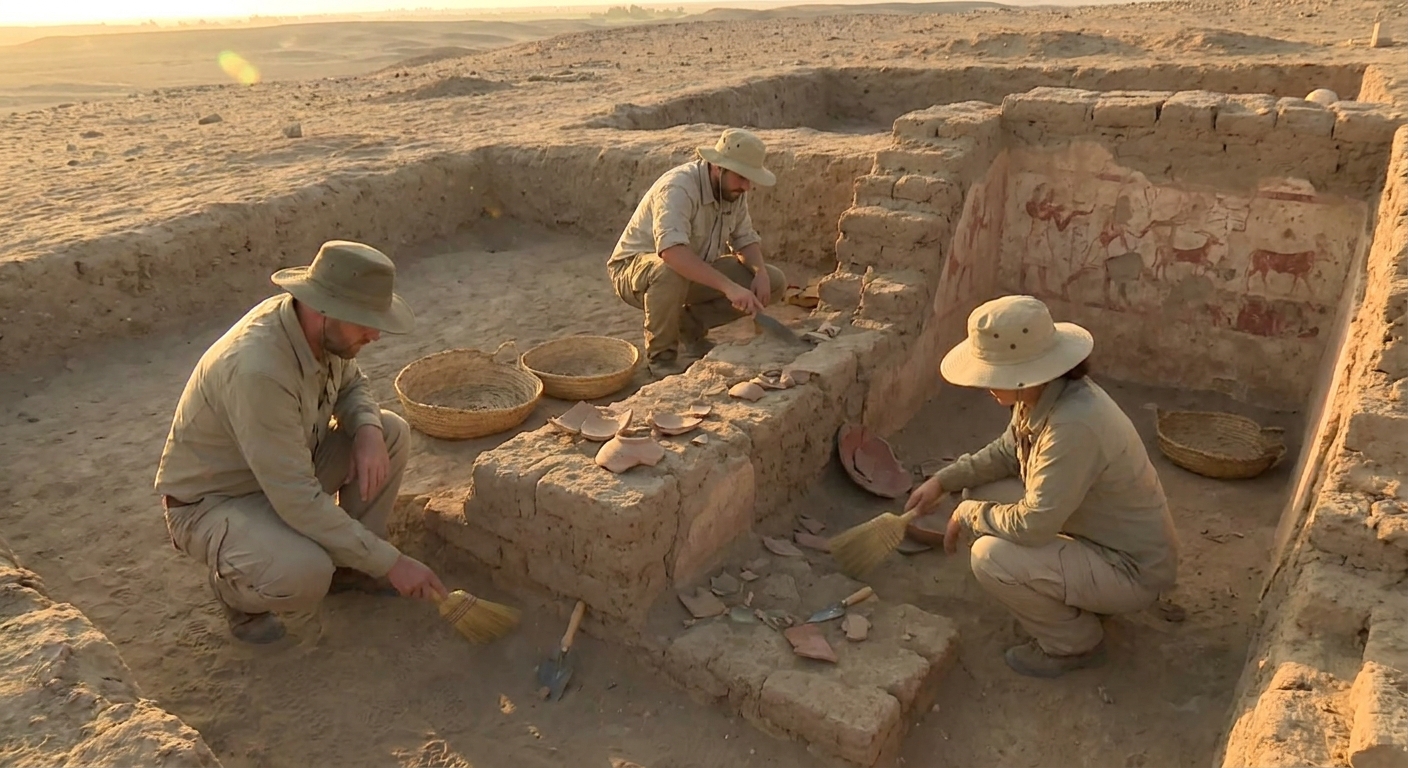
Walking through an archaeological site—broken walls, scattered stones, half‑preserved streets—can feel like wandering through an indecipherable text. Yet to an archaeologist, every foundation, shard, and trash pit is a word in a language that, with training, can be learned.
Introduction: How to “Read” a Dead City
This guide offers a step‑by‑step framework for decoding an ancient city, blending scholarly method with narrative imagination. To make the process concrete, we will repeatedly return to one case study: the ancient city of Pompeii, buried by Vesuvius in 79 CE, while drawing parallels to places like Teotihuacan and Mohenjo-daro.
Step 1: Start with the Landscape, Not the Buildings
Ask: Why Here?
The first question is not “What are these ruins?” but “Why was a city built at this spot?” Stand back—literally or figuratively—and map the wider environment:
- Proximity to water (rivers, springs, coasts)
- Arable land and pastures
- Natural defenses (hills, cliffs)
- Resource access (clay, timber, metals, trade routes)
Pompeii: Situated near the Sarno River, close to the Bay of Naples, Pompeii could access both inland agricultural zones and maritime trade. Volcanic soils enriched by previous eruptions made the surrounding region especially fertile.
Teotihuacan: Its location in the Basin of Mexico gave access to obsidian sources and agricultural plains.
What to look for on site:
- City walls hugging ridges or circling flat plains
- Harbors, river quays, or dried-up channels
- Quarries and kilns at the periphery
The landscape situates the city in an ecological niche—and tells you which risks and opportunities shaped its development.
Step 2: Trace the Street Grid and Movement
Ask: How Did People Move Through This Space?
A city’s layout reflects patterns of power, commerce, and habit.
- Is the street grid regular (like Mohenjo-daro) or organic and winding (like many Greek poleis)?
- Are there monumental axial avenues (like Teotihuacan’s Avenue of the Dead)?
- Where are gates, and what do they connect to outside the walls?
Pompeii: The city shows a loose grid, with major streets leading to gates named for their destinations (e.g., the Nucerian Gate). Deep wheel ruts in basalt paving stones reveal intense cart traffic along certain routes.
On site, observe:
- Width of streets: wide for carts, narrow for pedestrians
- Sidewalks and stepping stones: evidence of wet conditions or heavy traffic
- Street-side drains: indicators of concern with sanitation and runoff
Street patterns signal how people and goods flowed—and where congestion, noise, and commerce clustered.
Step 3: Identify the Public Core
Ask: Where Did Power and Community Display Themselves?
Most cities concentrate political, economic, and religious power in central public spaces.
Look for:
- Open plazas or forums
- Administrative buildings (basilicas, council houses, palaces)
- Major temples or sanctuaries
- Markets and warehouses
Pompeii’s Forum: Excavations reveal a rectangular plaza framed by:
- The Basilica (law court and business venue)
- The Temple of Jupiter (later expanded to the Capitoline triad)
- The Macellum (meat and fish market)
- Municipal offices and porticoes
Inscriptions on bases of statues identify local magistrates who financed building projects. One dedicatory plaque reads:
> “Eumachia, daughter of Lucius, public priestess, built at her own expense the chalcidicum, crypt and portico in honor of Concord and Pietas.”
> (CIL X 810, Pompeii)
Here, both structure and text reveal how elite benefactors tied their status to civic architecture.
Step 4: Read the Houses: Social Inequality in Stone
Ask: Who Lived Where, and How?
Domestic architecture is a direct, if biased, window into social stratification.
Key variables:
- Size and location of houses
- Number and arrangement of rooms
- Access to light, water, and decoration
Pompeii: Houses range from simple one- or two-room shops opening directly onto the street to sprawling atrium houses with peristyle gardens, wall paintings, and private wells.
The House of the Faun covers an entire city block, with multiple atria and lavish mosaics, including the famed Alexander Mosaic, likely copied from a Hellenistic painting. In contrast, cramped upper-story apartments above shops (identified through staircases and latrine pits) suggest densely housed lower‑status residents.
At Mohenjo-daro, by contrast, many houses share a broadly similar modular plan and access to drainage, hinting at a less ostentatiously stratified urbanism—or at least a different way of expressing status.
Step 5: Follow the Trash
Ask: What Did People Eat, Use, and Throw Away?
Refuse is one of the richest archives of daily life.
Look for:
- Middens (trash mounds)
- Latrines and cesspits
- Fill inside abandoned structures
Archaeological analysis can identify:
- Animal bones (diet, butchery practices)
- Carbonized seeds and nutshells (agricultural staples, imported luxuries)
- Broken ceramics (vessel types, trade connections)
Pompeii: Carbonized loaves of bread, still bearing baker’s stamps, were found in ovens. One reads:
> “Celer, slave of Quintus Granius Verus.”
> (Bread stamp, Pompeii, modern reading)
Fish bones, olive pits, and amphorae stamped with producer names (from Spain, North Africa, and the eastern Mediterranean) tell of a diet rich in imported goods.
Following the trash also reveals city maintenance practices: are dumps organized beyond the walls, or are streets clogged with refuse? In some quarters of Pompeii, reused building materials and informal dumps along walls hint at late, perhaps declining, phases of urban life.
Step 6: Hunt for Voices: Inscriptions and Graffiti
Ask: Who Had the Power to Write—and Where?
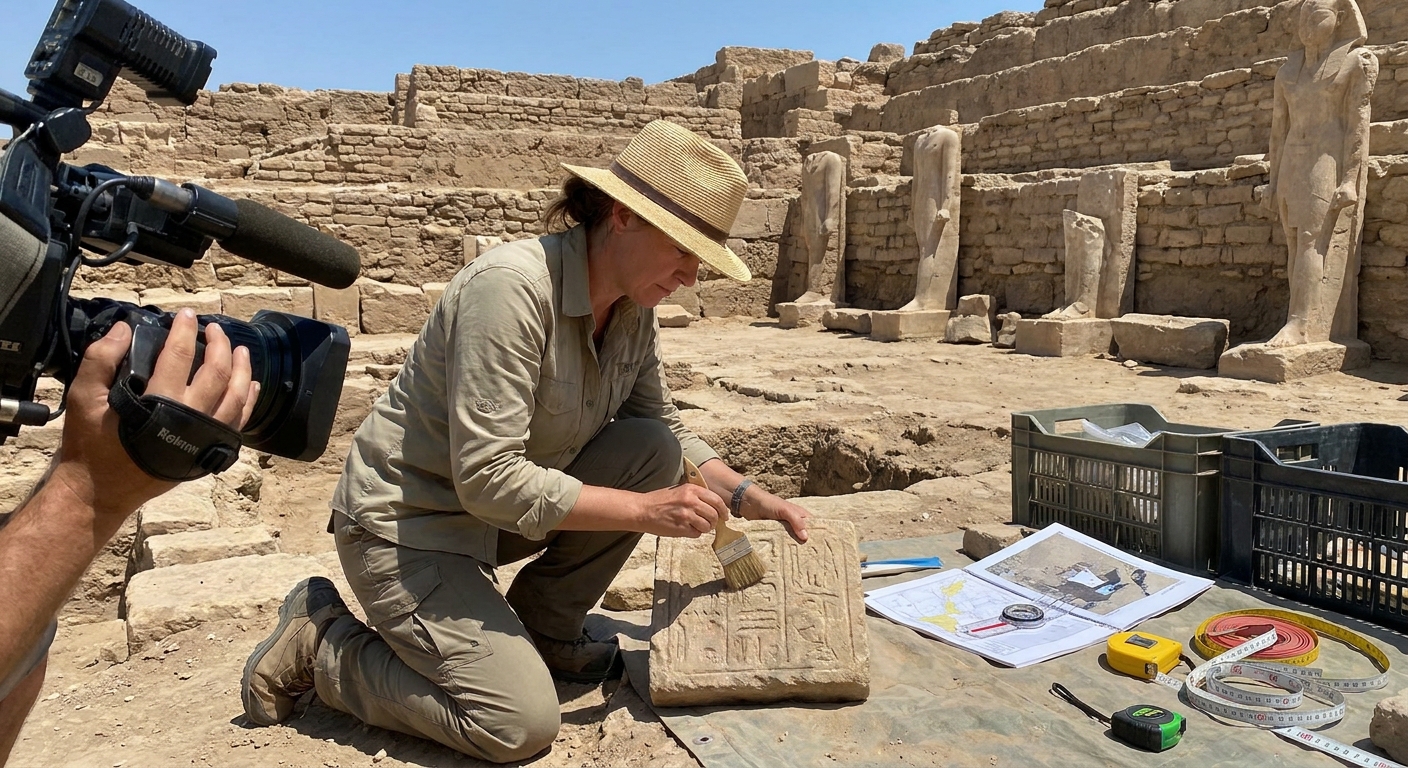
Written texts, from official inscriptions to casual graffiti, are rare yet potent.
Types to note:
- Monumental inscriptions (dedications, laws)
- Funerary epitaphs (status, profession, family relations)
- Graffiti (political, sexual, commercial, poetic)
Pompeii: The city’s walls are famously covered in graffiti. Among them:
> “I wonder, O wall, that you have not fallen in ruins from supporting the stupidities of so many scribblers.”
> (CIL IV 1904, Pompeii)
Electoral notices urge citizens to vote for specific candidates, revealing political structures and factionalism. Love notes, jokes, and price lists pull us into the texture of everyday interactions.
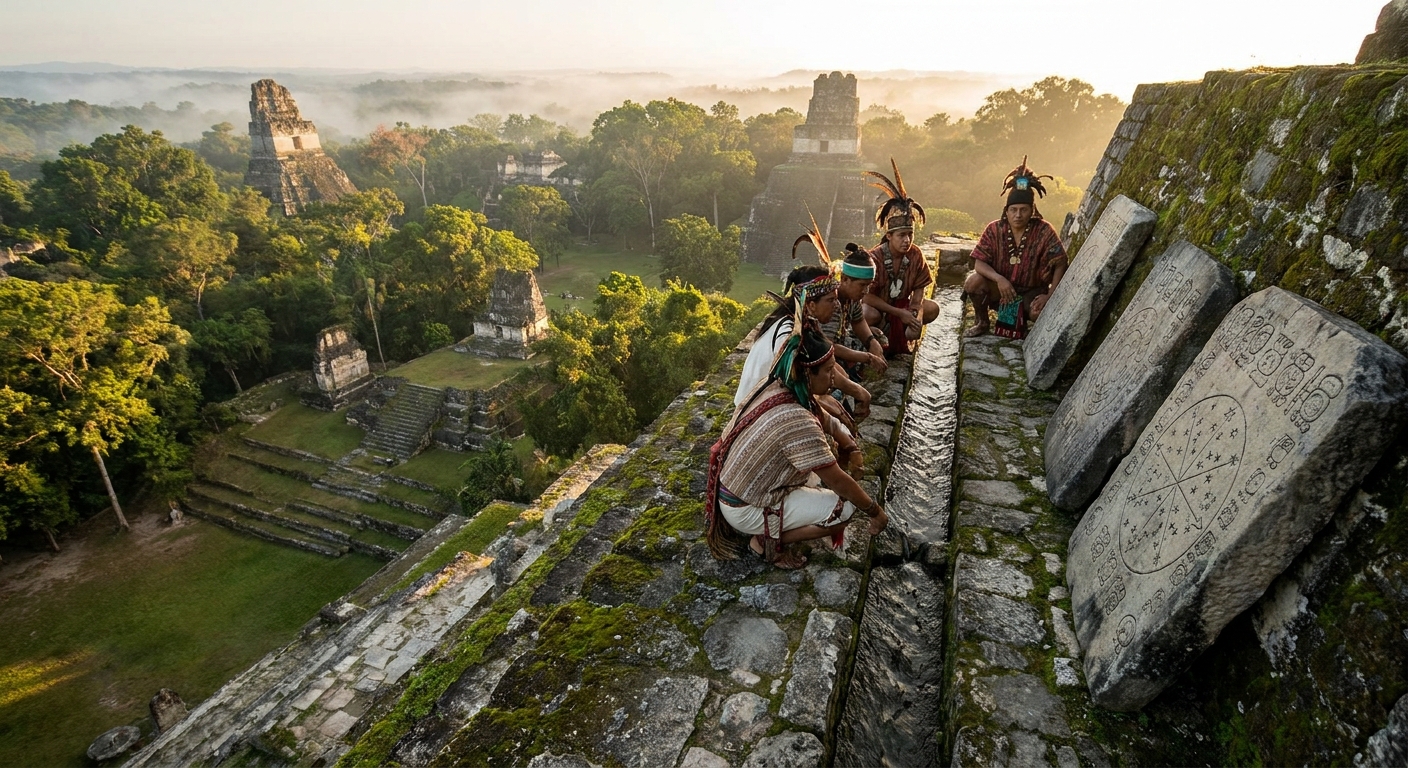
By contrast, at Teotihuacan or the Indus cities, writing is rarer or undeciphered. Here, we rely more on iconography—murals depicting processions, deities, or merchants—to approximate lost voices.
Step 7: Map Sacred and Profane
Ask: How Did the Sacred Infuse the City?
Religion is rarely confined to temples.
Look for:
- Temples and shrines (large and small)
- Household altars and niches
- Processional routes and ritual markers
In Pompeii, major sanctuaries to Apollo, Jupiter, and Isis anchor public space. Yet household lararia (domestic shrines) appear in kitchens and gardens, decorated with painted images of protective deities and serpents.
An inscription inside the Temple of Isis attests to its rebuilding after an earthquake, funded by a freedman in his son’s name:
> “Numerius Popidius Celsinus… at his own expense entirely rebuilt the temple from its foundations.”
> (CIL X 846, Pompeii)
This blending of local and imported cults, elite and non-elite patronage, shows religion as both personal solace and public performance.
Step 8: Trace Time: Layers, Repairs, and Ruptures
Ask: How Did the City Change Over Centuries?
No city is static. Archaeologists use stratigraphy, construction styles, and material typologies to trace phases:
- Initial planning and expansion
- Renovations, repurposings, and patchwork repairs
- Destructions (fires, earthquakes, invasions)
Pompeii: Evidence of rebuilding after the earthquake of 62 CE—cracked walls, temporary repairs, half‑finished projects—shows a city mid-renovation when Vesuvius erupted.
Teotihuacan’s later phases reveal the deliberate burning and desecration of elite compounds, hinting at political upheaval or internal revolt.
When you see a blocked doorway, a reused column, or a mosaic cut by a later wall, you are witnessing choices made in response to crisis or opportunity.
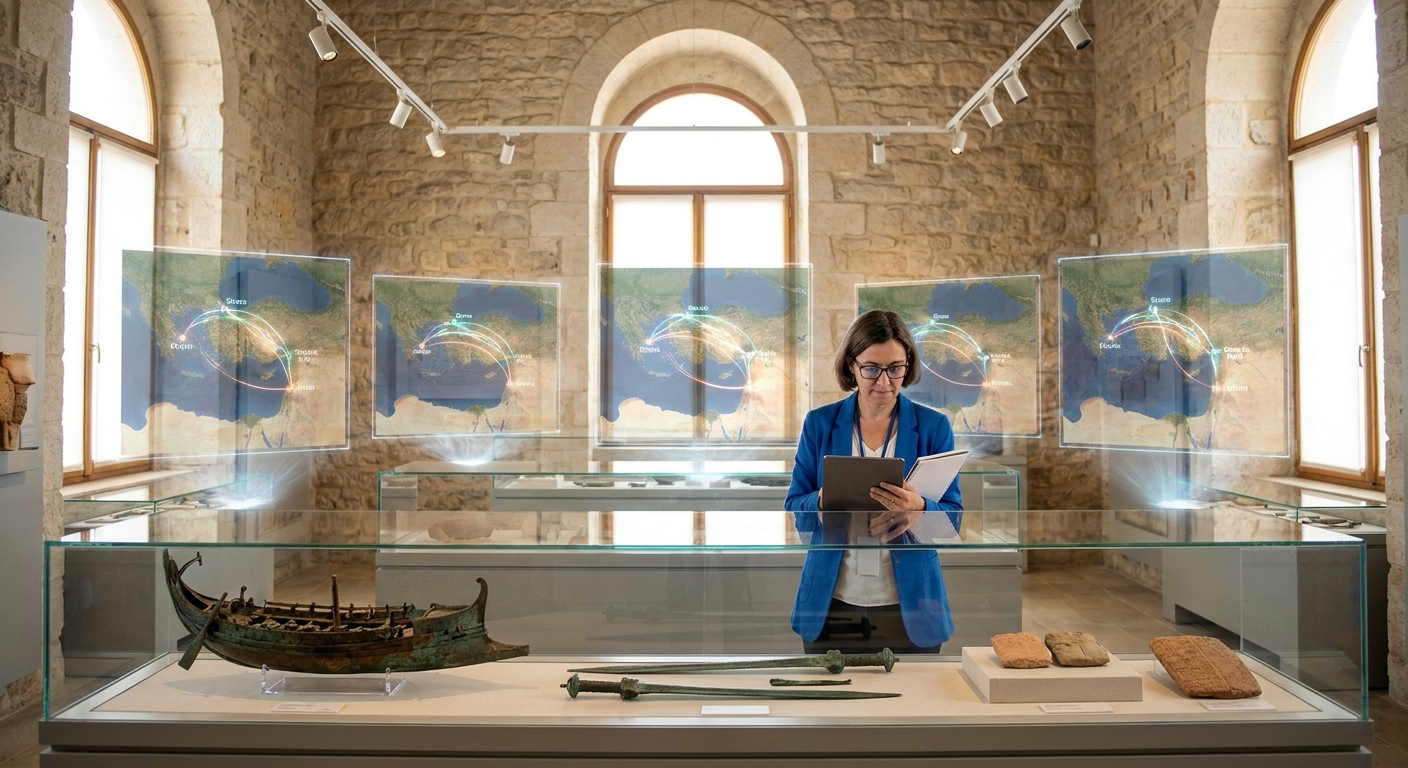
Step 9: Connect the City to Its Wider World
Ask: What Networks Sustained This Place?
Cities are nodes in broader systems of exchange.
Evidence to seek:
- Imported materials (obsidian, metals, fine ceramics)
- Foreign-style goods and artistic motifs
- Warehouses and harbor structures
Pompeii’s amphorae and coin hoards connect it to a Mediterranean‑wide economy. Teotihuacan’s obsidian blades, found across Mesoamerica, mark its influence far beyond the Basin of Mexico. Indus seals in Mesopotamian sites like Ur tell of Indian Ocean trade millennia before modern shipping lanes.
These connections make ancient globalization tangible—and show how disruptions in trade can destabilize urban life.
Step 10: Acknowledge What You Cannot Know
Ask: Where Are the Silences?
Even the best-preserved city hides more than it reveals.
- Whose stories are missing? Often women, enslaved people, migrants, and the very poor.
- What practices leave little trace? Spoken stories, gestures, emotions.
- Which interpretations are shaped by modern biases?
Being explicit about these gaps is part of scholarly rigor. The goal is not to fill every silence with speculation, but to distinguish grounded inference from creative reconstruction.
Conclusion: From Stones to Stories
To decode an ancient city is to layer questions over evidence: Why here? Who lived where? How did power, belief, and trade flow through these streets? The method sketched here—landscape, movement, public core, houses, trash, voices, sacred spaces, temporal layers, networks, and silences—can be applied from Pompeii to Persepolis, from Caral to Angkor.
The reward is not just knowledge about the past, but a sharpened awareness of our own cities. When you next cross a plaza, notice who owns the largest buildings. When you see a construction crane or a derelict block, think in phases and stratigraphy. Our urban lives, like those of the ancients, will one day be ruins someone tries to read.